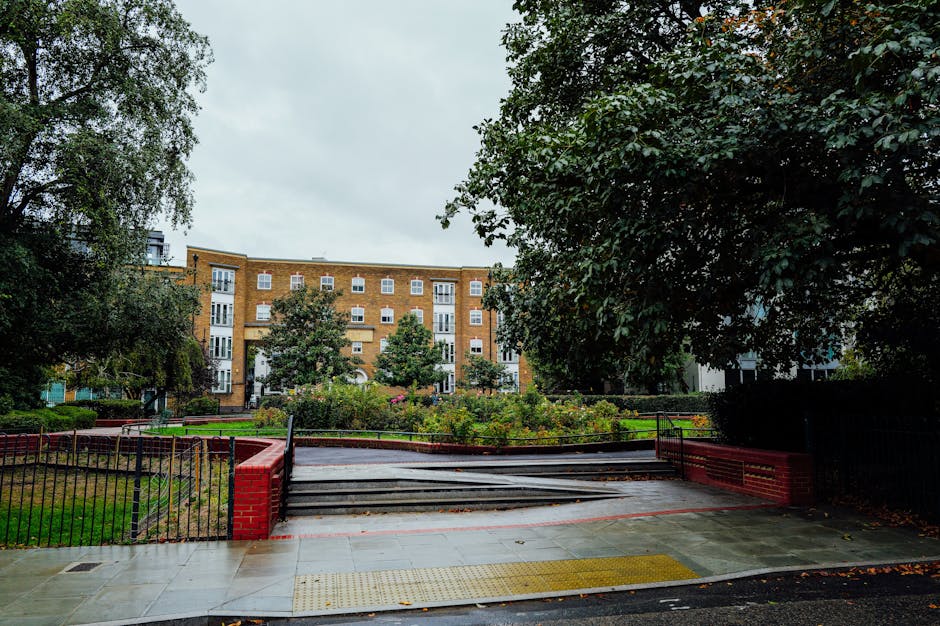
Cable Street estate gardeners for communal garden care
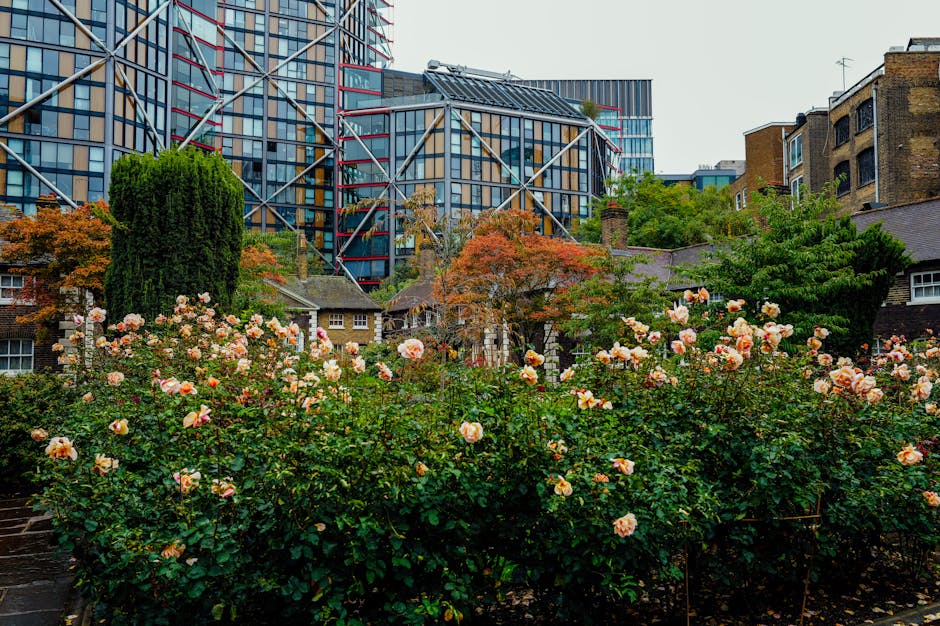
If you manage a shared courtyard, a front garden strip, a bin-store edge, or a larger communal green, you already know the same truth: small problems become big ones fast. One week the lawn looks fine, the next there are weeds in the path, overgrown hedges hiding sightlines, and a few tired corners that make the whole place feel a bit neglected. That is where Cable Street estate gardeners for communal garden care make a real difference. They keep shared outdoor spaces tidy, safe, usable, and pleasant for everyone who lives there.
This guide explains what communal garden care involves, how it usually works on estates near Cable Street, what good service looks like, and how to choose the right approach without overcomplicating things. You will also find a practical checklist, a comparison table, and a realistic example from day-to-day estate maintenance. Not glamorous, perhaps, but very useful.
Why Cable Street estate gardeners for communal garden care Matters
Communal gardens are not the same as private gardens. They are shared by residents, used by visitors, and often seen every day by people coming and going. That changes everything. A patch of missed mowing or one unchecked hedge does not just look untidy; it can affect how safe, calm, and cared-for the whole estate feels.
On busy streets and mixed residential blocks, outdoor space becomes part of the building's identity. People notice if the grass is cut neatly, if pathways are clear, if planting looks intentional, and if litter or leaf build-up is removed before it becomes a nuisance. In a shared setting, presentation and practicality go hand in hand. Truth be told, a communal garden that is properly looked after tends to make residents use it more, not less.
There is also a simple management reason. When communal grounds are left to drift, the clean-up is almost always more expensive than regular care. A few weeks of growth can turn into a harder job involving heavier clearance, more disposal, and extra labour. Routine attention keeps the job measured and predictable. It is the difference between maintenance and rescue work.
If the estate also includes hard landscaping, timber features, or planted borders that need occasional attention, coordinated care matters even more. Services like landscaping support, decking services, and broader landscape gardening can help keep the whole outdoor area consistent rather than pieced together.
Expert summary: communal garden care works best when it is regular, coordinated, and easy to inspect. A good estate gardener is not just cutting grass; they are helping protect the look, function, and day-to-day enjoyment of shared space.
How Cable Street estate gardeners for communal garden care Works
Good estate garden care usually starts with a site walk. That sounds obvious, but it matters. A gardener needs to see what is actually there: lawn condition, hedge growth, access points, trip hazards, rubbish hotspots, shaded areas, seasonal drainage issues, and any plant beds that need a different rhythm of care. No two communal gardens are identical, even if they look similar from the pavement.
From there, the maintenance plan is usually broken into repeatable tasks. For example:
- lawn mowing and edge trimming
- hedge trimming and shape management
- weed control in beds, borders, and paved areas
- leaf clearance and green waste removal
- planting care, deadheading, and seasonal tidy-ups
- light pruning and basic shrub management
- inspection of problem areas such as broken edging, blocked drains, or overgrown corners
Some estates need weekly visits during the growing season. Others are better served by fortnightly or monthly visits, with extra attention after storms, heatwaves, or heavy leaf fall. The point is not to force a fixed template. It is to match the schedule to how fast the space changes. Cable Street's mix of wind, shade, foot traffic, and compact urban planting can make even modest gardens shift quickly from neat to messy.
A good service also builds in communication. Residents may need notice before hedge work, access to bin-side areas may be limited on collection days, and noise-sensitive tasks like mowing are usually better timed sensibly. That sort of coordination sounds small until you do not have it. Then it becomes very noticeable, very quickly.
For larger schemes, estate gardening may overlap with regular garden maintenance or targeted work such as lawn mowing, hedge trimming, or garden clearance after a period of neglect.
Key Benefits and Practical Advantages
The benefits of professional communal garden care are not abstract. You can usually see them within a few visits. And residents feel them even faster.
1. A cleaner, safer shared environment
Regular maintenance reduces trip hazards, prevents overgrowth from narrowing access, and keeps sightlines open around corners, entrances, and paths. That is especially helpful in estates where children, older residents, or delivery drivers use the space every day.
2. Better first impressions
Shared gardens are often one of the first things people notice about a building. A crisp lawn and tidy borders send a very different message from ankle-high weeds and patchy edges. It is a small detail that says a lot.
3. More reliable budgeting
Routine work is easier to plan than emergency catch-up jobs. When maintenance is scheduled properly, there are fewer surprises and less pressure to approve costly one-off interventions.
4. Healthier planting over time
Plants respond better to steady, considered care. Regular pruning, watering where needed, weed suppression, and seasonal adjustment all help borders mature in a balanced way rather than becoming crowded or weak.
5. Less friction between residents
Shared gardens can become oddly emotional. One resident wants wildflowers, another wants a bowling-green lawn, and someone else just wants the path cleared so they can wheel a buggy through without snagging a wheel. A proper maintenance plan gives everyone a common standard to work from.
For estates that want the outdoor space to do more than merely survive, good maintenance can also support visual upgrades and usability improvements over time. That may include better planting structure, simple hard landscaping, or thoughtful surface changes through professional landscaping.
Who This Is For and When It Makes Sense
This kind of service is ideal for property managers, resident management companies, housing associations, landlords with shared outdoor areas, and blocks of flats where no single resident is responsible for the entire garden. It is also useful for mixed-use buildings where a frontage or side garden needs to stay neat without becoming a full-time burden for building staff.
It makes particular sense when any of the following are true:
- the space is shared and no one person owns the upkeep
- the garden has become inconsistent because different people handle different parts of it
- residents are complaining about overgrowth, mess, or poor presentation
- access paths, entrances, or bin areas need routine clearing
- the estate wants a better long-term plan rather than occasional tidy-ups
It is also sensible after a period of vacancy, refurbishment, or seasonal neglect. If a communal area has been ignored for a while, starting with a clearance and then moving into routine care is usually the cleanest way forward. Trying to maintain a garden that still needs rescuing can feel a bit like bailing water before finding the leak. Better to fix the structure first.
For larger or more complex sites, it may be worth combining maintenance with tree work or selective removal where safety or light levels are affected. In those cases, tree lopping and removal can be part of a wider plan, provided the work is properly assessed.
Step-by-Step Guidance
If you are arranging Cable Street estate gardeners for communal garden care, a sensible process keeps everyone aligned and avoids the usual muddle. Here is a practical way to approach it.
- Assess the space honestly. Walk the garden, note the problem areas, and identify what needs routine care versus one-off work.
- List the shared priorities. Safety, appearance, access, biodiversity, resident use, and budget may all matter. Rank them properly.
- Choose the right service level. Some sites need weekly visits; others only need fortnightly or seasonal work. It depends on growth speed and usage.
- Build a maintenance schedule. Decide what happens in spring, summer, autumn, and winter. The garden will not behave the same all year, obviously.
- Agree access arrangements. Keys, gate codes, parking, bin access, and resident notices should all be sorted before the first visit.
- Confirm disposal and recycling. Green waste, cuttings, and removed materials should be managed responsibly, with a clear understanding of what is included.
- Review after the first few visits. Look at quality, timing, communication, and consistency. Early adjustments are normal and usually helpful.
If the estate is still working out its service mix, a broader overview can help. The services overview page is useful for understanding how different tasks fit together before you book anything more specific.
A small but important point: good maintenance is not just about the plants. It is also about the access route, the edge details, the waste handling, and the little things residents remember when they walk out with their coffee at 8:15 on a grey Tuesday morning.
Expert Tips for Better Results
Some estate gardens stay tidy with very little drama. Others constantly fight back. The difference is usually in the details.
- Keep edges under control. Crisp edges make a garden look cared for even when planting is modest.
- Do not over-cut lawns. Cutting too short weakens grass and can create dry, patchy areas, especially in warmer spells.
- Trim hedges before they become a problem. Waiting too long makes the job harder and can block light or access. Early action saves work later.
- Think in zones. Entrances, paths, seating areas, and hidden corners may need different attention levels.
- Plan for seasonal shifts. Leaf fall, spring growth, and summer drying all change the workload.
- Keep communication simple. Residents do not need a dissertation. They need clear timing and a sense that the site is being looked after.
A very practical tip, and one many estates miss: keep the most visible areas slightly more refined than the back edges. It is not vanity. It is triage. The front-facing parts set the tone, while the less visible zones can be managed sensibly on a slower cycle.
If the garden includes awkward corners or neglected hard surfaces, a one-off tidy combined with ongoing visits can be far more effective than endless small interventions. That is often where garden clearance earns its keep before the routine work begins.
Common Mistakes to Avoid
Let's face it, communal garden care can go wrong in quite ordinary ways. Nothing dramatic. Just the kind of small mistakes that accumulate until everyone is annoyed.
Using the wrong schedule
Too infrequent, and the estate slips backwards between visits. Too frequent, and you may be paying for attention the site does not need. The right rhythm depends on growth, use, and budget.
Ignoring resident expectations
People living on the estate usually care more than management teams realise. If the work pattern changes without notice, or if one area is always neglected, complaints follow. Not always loudly, but they do follow.
Focusing only on mowing
A neat lawn is good, but it is only one part of communal care. Paths, beds, hedges, leaf build-up, and waste all affect the final result.
Letting clearance replace maintenance
Clearance is useful, but it is not a strategy on its own. If the garden keeps returning to a bad state, the underlying schedule is probably wrong.
Overlooking safety and access
Blocked gates, hidden hazards, low branches, and slippery surfaces matter just as much as appearance. In fact, on some sites they matter more.
A slightly awkward truth: a lot of "garden problems" are actually communication problems. The work might be fine, but nobody knows when it is happening, what it includes, or who signs it off. That is fixable, thankfully.
Tools, Resources and Recommendations
For estate gardeners, the right tools are not fancy. They are dependable, efficient, and suited to repetitive outdoor work.
Typical tools and equipment
- rotary or cylinder mowers for lawns
- brush cutters or strimmers for edges and awkward spots
- hedge trimmers for uniform shaping
- hand tools for detailed pruning and weeding
- leaf blowers or rakes for seasonal clean-up
- basic waste handling equipment for cuttings and debris
But equipment alone does not make a good result. Experience matters too. The best gardeners on shared sites tend to notice things early: a failing plant, a patch of compacted turf, a gate that has started to catch, or a corner where litter gathers after windy weather. That kind of observation saves trouble.
For estates interested in more sustainable upkeep, ask how green waste is handled, whether materials are recycled where possible, and whether the maintenance routine can support biodiversity without making the space feel unmanaged. The page on recycling and sustainability is a good starting point for understanding that approach.
If the contract includes business admin or payment details, it is sensible to review the provider's policies too. Clear terms, secure payment handling, and open communication build confidence, especially on recurring maintenance arrangements. You can also look at payment and security and the company's insurance and safety information before agreeing to a programme.
Law, Compliance, Standards, or Best Practice
Communal garden care in London is usually less about red tape and more about sensible, defensible practice. Still, there are a few important points to keep in mind.
Where a shared outdoor space is part of a managed residential building, the manager or responsible party should think carefully about access, trip hazards, waste removal, contractor competence, and general site safety. It is wise to ensure the service provider carries appropriate insurance and follows safe working methods, especially if tools, ladders, or tree work are involved.
Good practice also means using proportionate maintenance methods. For example, hedge work should not block essential light or access unnecessarily, and tree-related work should be assessed carefully rather than handled casually. In shared spaces, the goal is to keep the garden attractive without creating new risks.
Best practice typically includes:
- written or clearly agreed maintenance scopes
- defined visit frequencies and seasonal variations
- clear arrangements for reporting problems
- safe disposal of garden waste
- appropriate public liability and site risk awareness
- respectful communication with residents and building teams
You do not need to turn every estate visit into a paperwork exercise. But a basic structure is helpful, and on busier sites it becomes essential. If complaints arise, a transparent process matters too. That is why a clear complaints procedure can be reassuring rather than bureaucratic.
If accessibility matters on the site, think about how paths, entrances, and communal planting affect mobility. The estate should feel usable, not just neat.
Options, Methods, or Comparison Table
Different estates need different service models. There is no single right answer, but this comparison helps clarify what each approach tends to suit best.
| Approach | Best for | Strengths | Limitations |
|---|---|---|---|
| Ad hoc tidy-ups | Very small, low-use shared spaces | Simple to arrange, flexible | Can become inconsistent and reactive |
| Seasonal maintenance | Estates with slower growth or lower footfall | Cost-aware, practical for stable sites | May not be enough in peak growing months |
| Regular scheduled care | Most communal gardens and housing blocks | Consistent appearance, easier budgeting | Needs reliable access and coordination |
| Clearance plus maintenance | Neglected or recently re-opened spaces | Resets the site and prevents repeat problems | Higher initial effort before routine care starts |
For many Cable Street estates, regular scheduled care ends up being the best long-term option. It is predictable, it keeps residents happier, and it stops the garden from swinging between "fine" and "slightly embarrassing," which, to be honest, is how a lot of shared spaces end up if nobody owns the routine.
Case Study or Real-World Example
Imagine a mid-sized residential block with a small front communal garden, a side passage with weeds creeping into the paving, and a rear shared space that people only notice when the bins are being moved. Nothing unusual. It looks respectable from a distance, but up close the edges are soft, the hedges have started to narrow the path, and the planting beds have become a bit lost under self-seeded growth.
The first visit focuses on reset work: mowing, edging, hedge shaping, weed removal, and a tidy-through of the hard surfaces. The second visit is quieter and more corrective: checking regrowth, lifting the presentation of the front area, and dealing with the awkward corner by the bins where rubbish tends to collect. After that, the schedule settles into a regular rhythm.
What changed? Not just the look of the garden. Residents began using the space again. The management team had fewer complaints. Deliveries became easier because the access was clearer. And the whole place felt calmer. You notice that kind of change in the little moments: someone stopping to open their window, a child cutting across the grass without being told off, the smell of fresh cuttings in the morning air. Small thing, maybe. But it matters.
This is also where additional services can help. If a site has a neglected timber area or a tired surface edge, targeted improvements may be considered alongside routine upkeep. That might involve lawn mowing for the open areas and selective landscape gardening work for the borders and structure.
Practical Checklist
Use this checklist before commissioning or reviewing communal garden care on an estate.
- Have the key problem areas been identified clearly?
- Is the scope of work written down or agreed in plain terms?
- Does the schedule match the actual growth rate of the site?
- Are paths, entrances, and bin areas included in the plan?
- Is green waste removal covered?
- Are hedges, lawns, and borders all addressed, not just one of them?
- Has access been arranged for gates, parking, and working hours?
- Is there a sensible way to report problems between visits?
- Has insurance and safety information been checked?
- Is the maintenance approach realistic for the budget and resident expectations?
One extra point: if the garden looks good only immediately after a visit, the schedule is probably too stretched. The best communal care holds up between visits, not just on the day of service.
Get a free quote today and see how much you can save.
Conclusion
Cable Street estate gardeners for communal garden care are about far more than cutting grass or trimming hedges. They help shared spaces stay safe, welcoming, and manageable over time. That means fewer headaches for managers, fewer frustrations for residents, and a better day-to-day experience for everyone who lives with the space.
The best results usually come from a simple formula: regular visits, clear expectations, practical communication, and a maintenance plan that fits the actual site rather than an idealised one. Keep it steady. Keep it sensible. The garden will usually reward that approach.
If you are weighing up options for a communal site, start with what the space needs right now, then build a routine that can hold up through the seasons. It does not need to be complicated. It just needs to be done well, and with a bit of care.
Frequently Asked Questions
What do Cable Street estate gardeners for communal garden care usually do?
They maintain shared outdoor areas such as lawns, hedges, borders, paths, and communal frontages. The work often includes mowing, edging, weeding, pruning, and clearing leaves or debris. On some estates, it may also include seasonal tidy-ups and minor clearance work.
How often should a communal garden be maintained?
That depends on growth rate, usage, and season. Many shared spaces benefit from weekly or fortnightly visits in the growing season, then lighter or less frequent work in winter. The right schedule is the one that keeps the site tidy between visits, not just after them.
Is communal garden care different from private garden maintenance?
Yes. Shared gardens need coordination, consistency, and sensitivity to multiple users. There is usually more focus on access, safety, resident expectations, and keeping the whole site presentable rather than just one household's preferences.
What should be included in an estate garden maintenance plan?
A good plan usually covers mowing, hedge trimming, weed control, leaf clearance, waste removal, seasonal planting care, and any special access or safety arrangements. It should also define how often work happens and how issues are reported.
Do I need a clearance before starting regular maintenance?
Sometimes, yes. If the garden has become overgrown or cluttered, a one-off clearance can reset the space before routine care begins. That is often the most practical way to avoid paying for repeated catch-up work.
How do I know if a gardener is suitable for a shared estate?
Look for clear communication, relevant experience with communal sites, sensible scheduling, and appropriate insurance and safety awareness. A provider should be able to explain what they will do, how often, and how they handle waste and access.
Can communal garden care include hedges and trees?
Yes, if those tasks are part of the agreed scope and the provider is equipped for them. Hedges usually fall into routine maintenance, while tree work may need more careful assessment and specialist handling depending on the job.
What if residents disagree about how the garden should look?
That happens more often than people expect. The best approach is to agree a practical standard for the estate as a whole. Shared gardens work best when the plan is based on usability, safety, and consistent presentation rather than personal preference alone.
How can we keep maintenance costs under control?
Regular maintenance is usually cheaper in the long run than allowing the garden to become neglected. A clear schedule, defined scope, and seasonal planning all help avoid unexpected clearance work and reduce the need for emergency fixes.
Should communal garden care include sustainability measures?
It can and often should. Recycling green waste, choosing sensible cutback methods, and supporting healthier planting all help. The aim is to keep the site tidy without wasting materials or creating unnecessary repeat work.
What is the biggest mistake estates make with shared gardens?
The most common mistake is leaving maintenance until the garden becomes a problem. Once overgrowth starts to affect safety, appearance, and resident use, catching up becomes harder and less cost-efficient. Early, regular care is much easier to live with.
How do we get started with a maintenance quote?
Start with a site review and a clear list of what needs doing. That helps the provider understand the size of the job and suggest a realistic schedule. If you want to discuss your estate or arrange an assessment, use the main contact page to take the next step.